



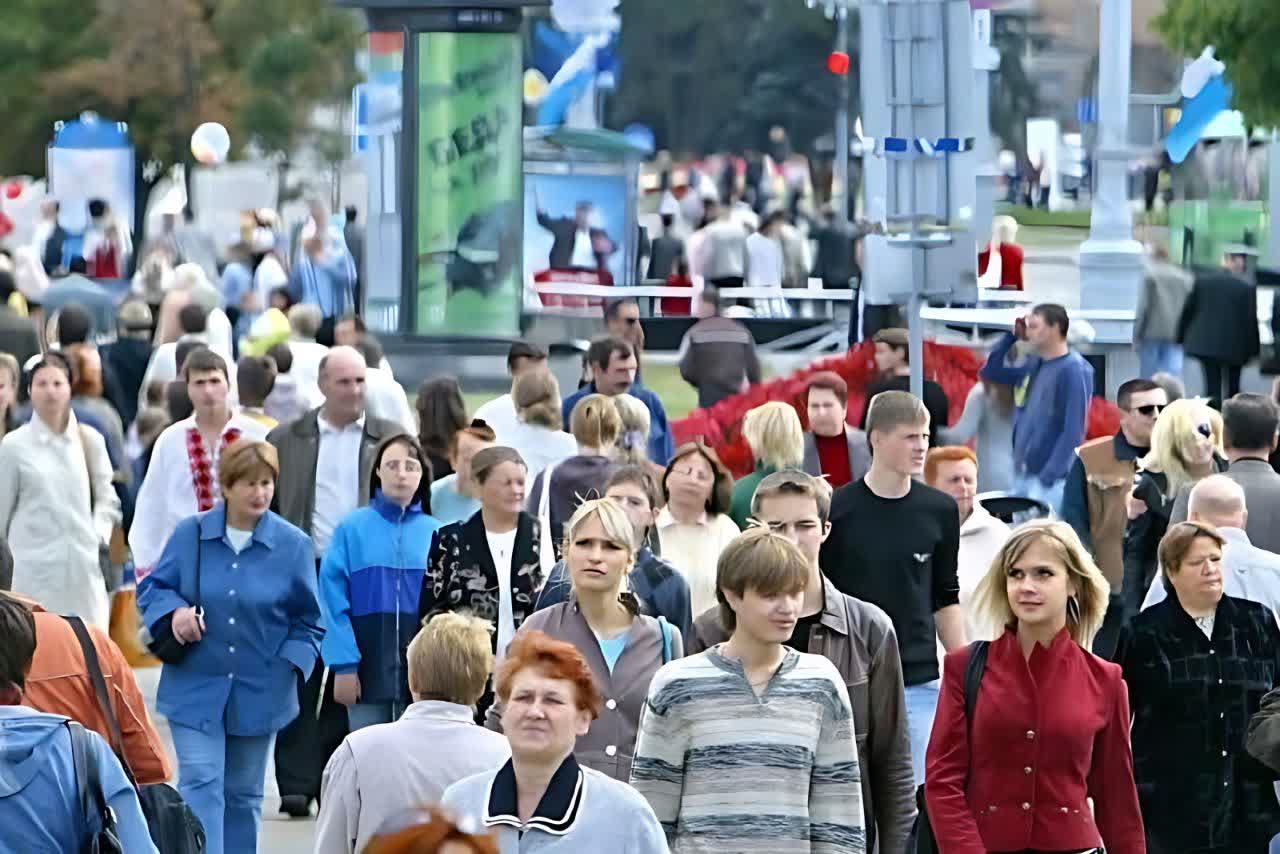
According to demographic data compiled in recent years, Russia now ranks among the world’s most female-skewed countries. Although exact figures vary across sources, multiple international datasets show that women outnumber men by a wide margin — a trend experts link primarily to war and alcohol-related mortality. This long-standing imbalance has shaped Russia’s labor market, social policies, and family dynamics.
✍|by Ms. Soghra Ashouri
What Is “Demographic Feminization”?
Demographic feminization refers to a social-scientific concept describing a significant gender imbalance in a population in which women are numerically dominant. In Russia, this phenomenon intensified after the collapse of the Soviet Union in 1990 and has deepened over the past three decades.
Why Russia’s Gender Balance Shifted
The Post-Soviet Mortality Crisis
In the 1990s, Russia underwent a severe mortality crisis among men. Several factors contributed to this: extremely high consumption of vodka and other strong spirits, the widespread circulation of counterfeit alcohol, violent deaths, traffic accidents, war casualties, suicide, and cardiovascular disease linked to chronic stress.
These combined pressures sharply reduced male life expectancy and opened a persistent gender gap — a gap that continues today.
A Population Shaped by War
Recent conflicts have further accelerated this trend. War-related deaths among men have widened the imbalance and brought national attention back to the country’s demographic vulnerabilities.
How the Female Majority Has Transformed Society
Demographic shifts have naturally reshaped many sectors of Russian society. The workforce, in particular, has become increasingly female. Education—already a female-leaning sector—now sees even higher representation of women.
Interestingly, women also make up a substantial share of the workforce in fields such as firefighting, the military, the police, universities, municipal administration, and government ministries. Yet in most of these sectors, women occupy middle- or lower-level service positions rather than senior or command roles.
Because of labor shortages and the limited number of male workers, Russia has raised the retirement age for women. Significant gender-based wage disparities remain, meaning that poverty in Russia disproportionately affects women.
Family-Support Measures: The Government’s Response
In recent years, the Russian government has introduced notable policies aimed at supporting women and families. These include up to three years of maternity leave, the option of part-time work during this period, and the expansion of state childcare facilities for working mothers.
Women’s presence has also grown sharply in state institutions since the collapse of the Soviet Union. Today, women constitute roughly 10–15% of the armed forces, serving mostly in non-combat roles such as medicine, logistics, communications, engineering, and administration.
In the police force, women account for nearly 30% in some departments, often working in investigative units, child-protection cases, and administrative roles.
Healthcare is overwhelmingly female-dominated: an estimated 70–80% of doctors, nurses, and paramedical staff are women. In higher education, women make up the majority of students and a significant portion of academic staff. Women also play important roles in municipal planning and social services, though major city leadership positions remain largely male.
Women are active in public transport as metro, bus, and tram drivers, though high-level management positions in transportation tend to be held by men.
Policies to Restore Gender Balance
Russia is attempting to reduce its demographic gap through both family-centered and social policies. Key measures include:
- Financial incentives for families having a second or subsequent child;
- 1.5 to 3 years of maternity leave, partly paid and partly unpaid with job protection;
- Monthly child benefits for low-income families;
- Promotion of family values through national media;
- Campaigns presenting a responsible, healthy father figure as a social ideal, in contrast to the negative male stereotypes of the 1990s.
Although some Russian women seek foreign partners through international matchmaking platforms, the government neither encourages nor prohibits this practice.
Social Policies Targeting Male Mortality
To address the root causes of the gender imbalance, the government has also implemented broader social policies, such as:
- Heavy taxation on alcoholic beverages and restrictions on their sale;
- Crackdowns on counterfeit alcohol;
- Investment in healthcare to combat cardiovascular disease — the leading cause of death among Russian men;
- Public campaigns promoting healthy lifestyles;
- Economic and social stabilization initiatives to reduce stress-related deaths and suicide;
- Support for churches and NGOs that promote marriage and family life.
Has Russia Succeeded?
Studies suggest that Russia’s demographic policies have achieved partial success: life expectancy has improved, fertility rates have shown some recovery, and abortion rates have declined.
However, Russia is still far from achieving the replacement fertility level of two children per family, and the gender gap — shaped by decades of mortality trends — remains one of the country’s most persistent challenges.