

How young Iranian women helped launch satellites into orbit — and what it means for the country’s space future
Iran has reached a remarkable and unusual moment: young women from our country are standing at the forefront of its space industry, helping send satellites into orbit. A leading figure in the Iranian satellite sector once recalled attending a space technology fair in 2000, where even touching the satellite bodies was forbidden — to prevent visitors from learning what materials were used. Today, roughly 25 years later, that distant past feels transformed.
Private Sector Satellites
In late October 2024 (Aban 1403), Iran made headlines with the successful launch of two CubeSats named Kosar and Hodhod — both built by a private Iranian space company. What made this significant was not just the engineering success, but that the team behind them was exceptionally young (average age ~26), and included high-achieving women engineers.
The company responsible is OmidFaza (also referred to as Space Omid), Iran’s first private satellite manufacturer. Its founder, Dr. Hossein Shahrabi — who previously oversaw production of Omid, the first fully Iranian satellite — decided in 2018 to pioneer a private space industry in Iran. The company’s long-term goal is to build a mini-satellite constellation (similar in concept to Starlink, though smaller in scale), called Donama, to support imaging and Internet of Things (IoT) services with about 200 small satellites.
The Kosar and Hodhod satellites were early prototypes intended for this constellation, and building them was a major step toward the company’s vision of future data-rich space services.
Three Satellites in Orbit
On December 28, 2025, Iran achieved another major space milestone. Three domestically built satellites — Paya, Zafar-2, and an upgraded Kosar (Kowsar 1.5) — were successfully launched into orbit aboard a Russian Soyuz-2.1b rocket from the Vostochny Cosmodrome in eastern Russia at around 16:48 Tehran time.
This joint achievement is one of the most ambitious in Iran’s space program to date:
📡 Paya
- Iran’s most advanced and heaviest imaging satellite to date (~150 kg).
- Designed for high-resolution Earth observation — with imagery processing enhanced by artificial intelligence — and useful for agriculture, water resource management, and environmental monitoring.
🛰️ Zafar-2
- Developed primarily by academic engineers at Iran University of Science and Technology.
- A remote-sensing satellite aimed at monitoring natural resources, environmental conditions, and land use from an altitude of about 500 km.
🌍 Kowsar 1.5
- The upgraded successor to previous Kosar satellites, designed and built by OmidFaza’s private team, with imaging focused on agriculture, IoT data collection, and land observation.
Together, these three satellites represent a new chapter in Iran’s space program, where private sector innovation, university research, and national capabilities are converging in orbit.
Spotlight on Women in Space Engineering
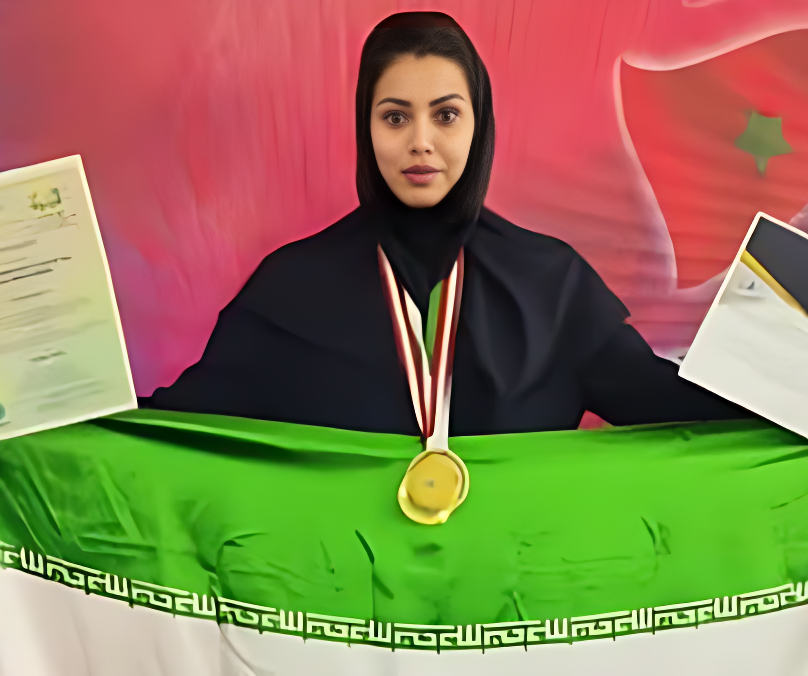
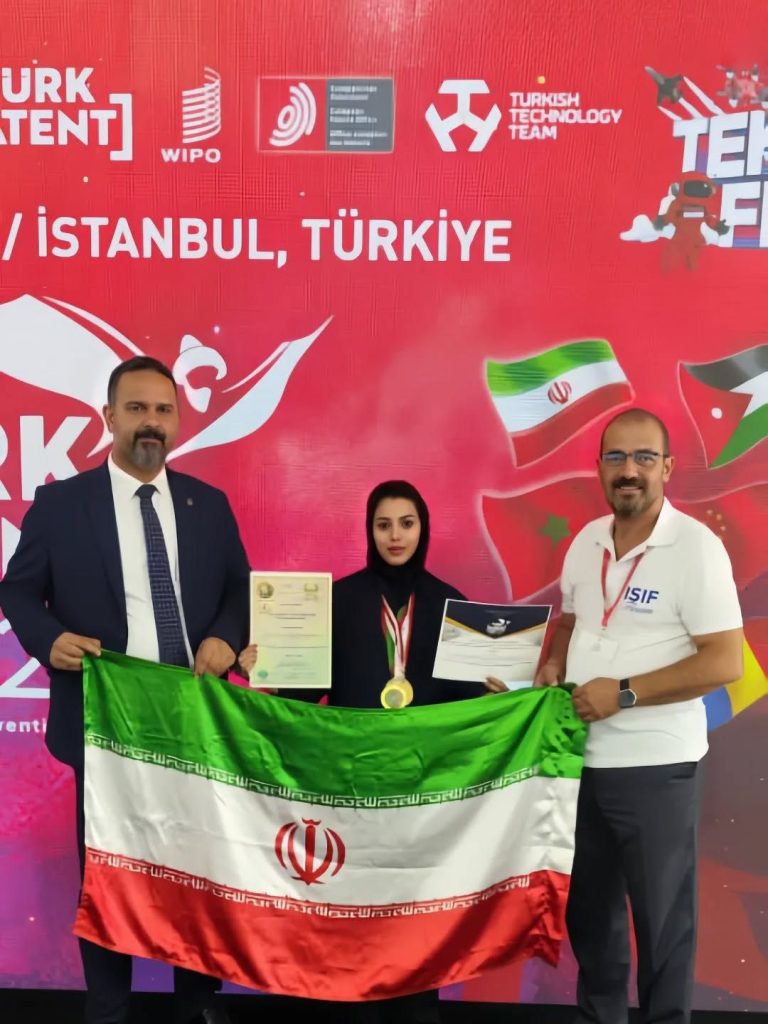
One of the most inspiring details behind this achievement is the growing presence of Iranian women engineers in leadership roles within satellite development teams. For example, Narges Gholizadeh, a talented engineer from Bijar, led the mechanical engineering team for the original Kosar satellite — now successfully in orbit — demonstrating that Iranian women are playing critical roles in high-tech space projects.
A Symbol of Capacity and Identity
The launch of Kosar and its successors is about more than a technical breakthrough. It symbolizes the scientific capacity of young Iranian women and men — pursuing innovation under sanctions, balancing cultural values, and demonstrating that advanced science can flourish even under adversity. In this way, their work is not just a technological leap but a cultural and national achievement that challenges stereotypes and celebrates determination.
In a world where space achievements are often tied to geopolitics, the story of Iran’s next generation of engineers — especially its women — stands out as a human story of possibility, talent, and ambition.
From: Fars