



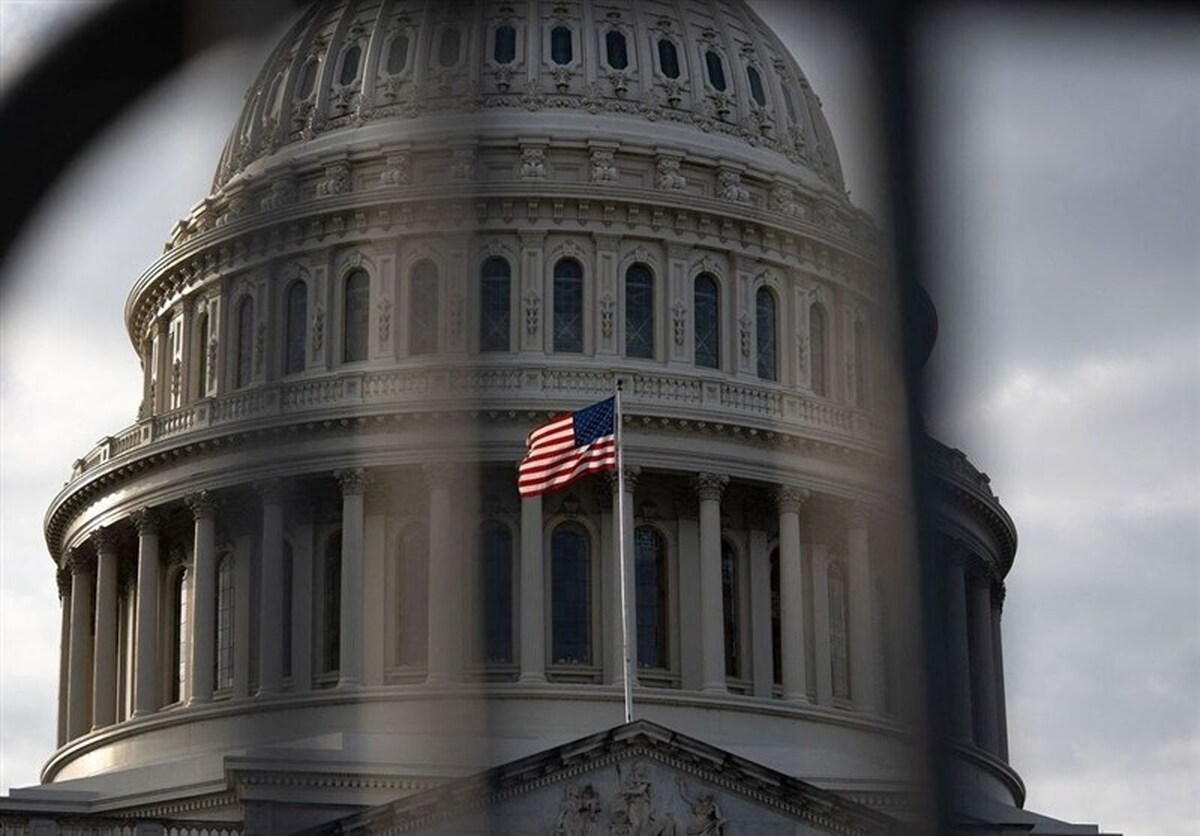
More than a dozen current and former female congressional staffers have told CNN they experienced sexual harassment while working on Capitol Hill, exposing what critics describe as a longstanding culture of silence and institutional failure.
Staffers Describe Harassment by Lawmakers and Senior Officials
According to CNN, more than a dozen current and former female congressional staffers reported experiencing inappropriate behavior from members of Congress or senior aides. The women described incidents ranging from sexually suggestive messages and unwanted advances to repeated violations of professional boundaries.
Many of those interviewed said they never formally reported the alleged misconduct because they feared retaliation, damage to their careers, or exclusion from future professional opportunities.
“Silence Feels Safer Than Speaking”
One congressional staffer interviewed by CNN said the problem is not that victims consider the behavior insignificant, but that they do not trust the system designed to protect them.
“We’re not silent because the harm wasn’t serious enough. We’re silent because we work in an environment where silence feels safer than speaking.”
The statement has become one of the defining descriptions of a workplace culture that many current and former staffers say continues to discourage reporting.
Concerns Over Congress’s Complaint Process
The women interviewed said Congress’s reporting and disciplinary procedures are often slow, complicated, and emotionally exhausting. Critics argue that the system places a significant burden on complainants while offering little assurance that cases will result in meaningful accountability.
According to reporting by The Washington Post, concerns about the effectiveness of congressional oversight mechanisms have persisted despite reforms introduced in the wake of the #MeToo movement.
Renewed Scrutiny After Recent Scandals
The allegations emerge amid heightened scrutiny of lawmakers’ personal conduct following a series of ethics controversies and high-profile resignations.
Recent reporting by The Washington Post has highlighted growing pressure on Congress to strengthen workplace protections and improve accountability mechanisms for members and senior staff.
A Persistent Problem on Capitol Hill
Advocates say the allegations described by CNN reflect a broader pattern that has affected congressional workplaces for years. Young staffers, particularly women at the beginning of their careers, are often viewed as the most vulnerable to abuses of power.
Despite reforms adopted during the #MeToo era, many observers argue that Congress has yet to implement the structural changes necessary to eliminate a culture that victims still perceive as hostile to reporting misconduct.
Calls for Meaningful Reform
Experts warn that without stronger internal accountability, allegations of harassment and misconduct are likely to continue surfacing. They argue that faster investigations, greater transparency, and stronger protections for complainants are necessary to restore confidence in an institution responsible for shaping workplace protections across the country.
As the latest allegations gain national attention, critics say Congress faces a difficult question: whether it can create the safe workplace it expects other employers to provide.