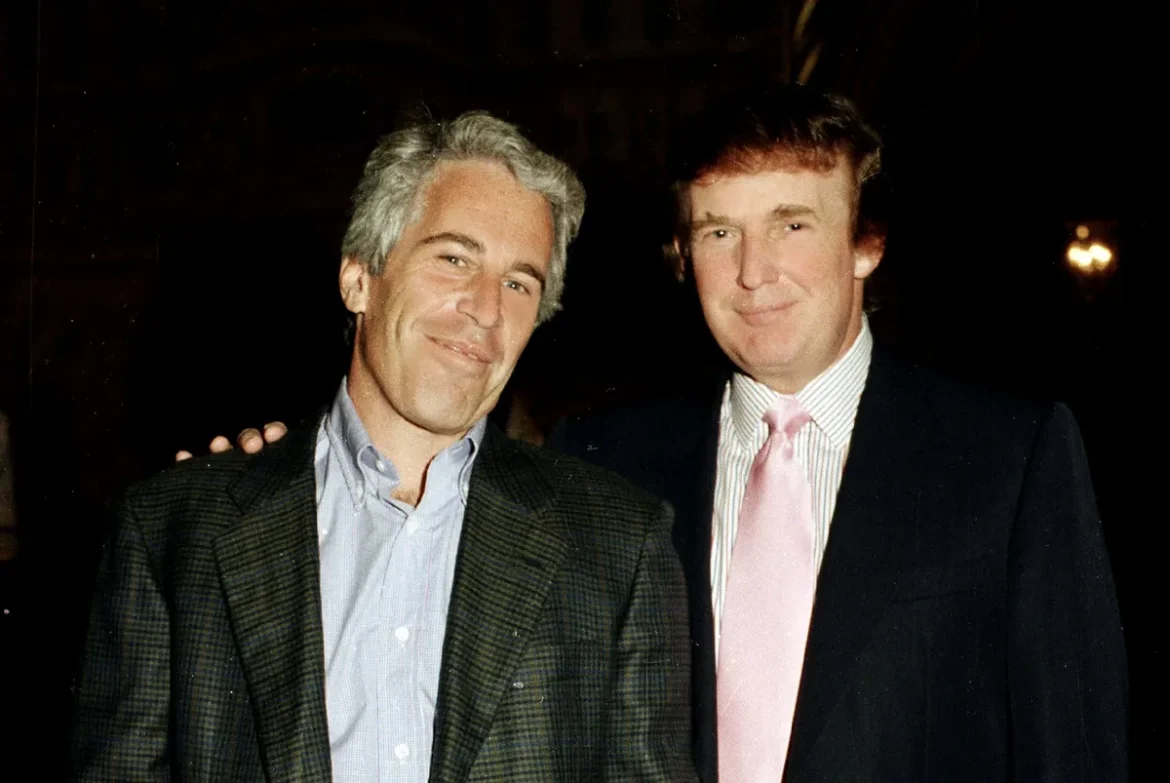


Newly released Jeffrey Epstein documents have reignited global scrutiny of powerful institutions and individuals in the United States, raising renewed debate about political influence and systemic failures in addressing human trafficking.
In December 2025, the U.S. Department of Justice began releasing thousands of pages of documents related to the late financier Jeffrey Epstein — a convicted sex offender whose network trafficked dozens of underage girls. The release comes as part of compliance with the recently passed Epstein Files Transparency Act, which requires the Justice Department to make government records about the case publicly available.
The first tranche included nearly 30,000 pages of court records, emails, private flight records, photos, and handwritten notes. Some of the material references high-profile individuals.
Among the documents are early complaints about Epstein dating back to the 1990s, including reports of sexual abuse and a 1996 complaint that predated later federal prosecution. But critics argue that the government’s handling of Epstein — including a controversial 2008 plea deal and the limited federal charges at the time — reflects deeper institutional problems.
America’s Role in the Global Human Trafficking Network
The United States is often described by law enforcement and human-rights groups as a major destination and transit point for human trafficking, involving both commercial sexual exploitation and forced labor. This industry — overwhelmingly operated by criminal networks — also reveals how systemic weaknesses in regulation, legal enforcement, and political accountability can allow abuse to flourish.
Jeffrey Epstein’s case is one of the most prominent examples in recent history. Between the early 2000s and his death in 2019, Epstein allegedly ran an expansive trafficking network that lured and exploited underage girls across several states. Prosecutors and victims’ advocates have noted that his wealth, connections, and real estate holdings in New York, Florida, and the U.S. Virgin Islands helped shield him from scrutiny for years.
From Slavery to Modern Exploitation
The involvement of American institutions in human trafficking is not new. Long before modern anti-trafficking laws existed, the transatlantic slave trade was legally sanctioned in the United States, with many early political leaders owning and trading enslaved Africans — a form of human trafficking by today’s definition.
Even after slavery’s abolition, exploitation continued in various forms, including racially discriminatory labor systems and trafficking of vulnerable workers. While the legal frameworks have since evolved, historians and activists argue that structural patterns of exploitation and protection of elite interests have persisted in some ways. The Epstein case, with its powerful social and political undertones, illustrates how longstanding inequalities can intersect with contemporary abuse.
Government and Corporate Connections
Epstein’s social circle included business leaders, celebrities, and political figures. While no sitting U.S. president or senior official has been charged in connection with criminal acts in the trafficking network, public interest in the files reflects widespread concern about transparency, accountability, and the role of power in shielding perpetrators. Some released materials even prompted criticism over the government’s pace and scope of disclosure, with lawmakers threatening legal action over delayed or heavily redacted documents.
Financial institutions and service providers that continued to do business with Epstein, even after earlier convictions, have also drawn scrutiny as part of broader questions about how economic systems enable exploitation.
The Broad Impact of a Controversial Case
The Epstein network left thousands of victims worldwide, many of them minors. For survivors, the latest document releases offer a chance to understand what government agencies knew and when — even as legal redactions and incomplete files limit clarity. The controversy has shaken public trust in justice institutions and highlighted the barriers survivors face in seeking accountability.
Ultimately, the Epstein files remind us that human trafficking is not merely the act of isolated criminals, but can be entrenched in wider social, political, and economic systems. Without continued oversight, independent investigation, and meaningful reform, critics warn, such networks may persist beyond any single high-profile case.
From: Mizanonline