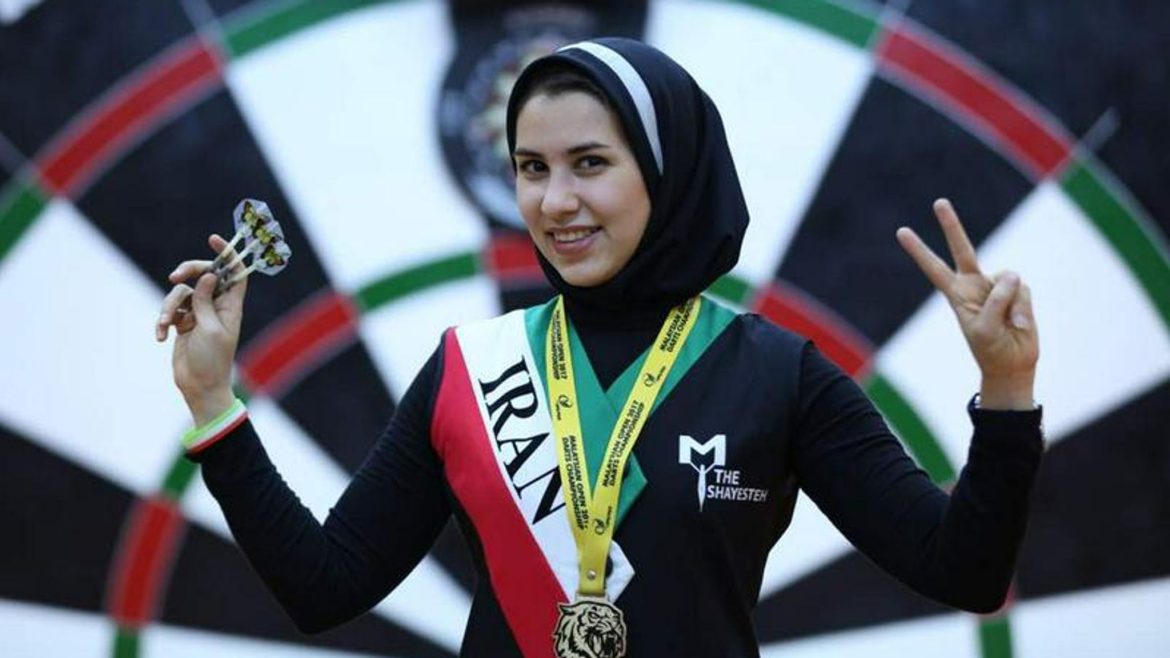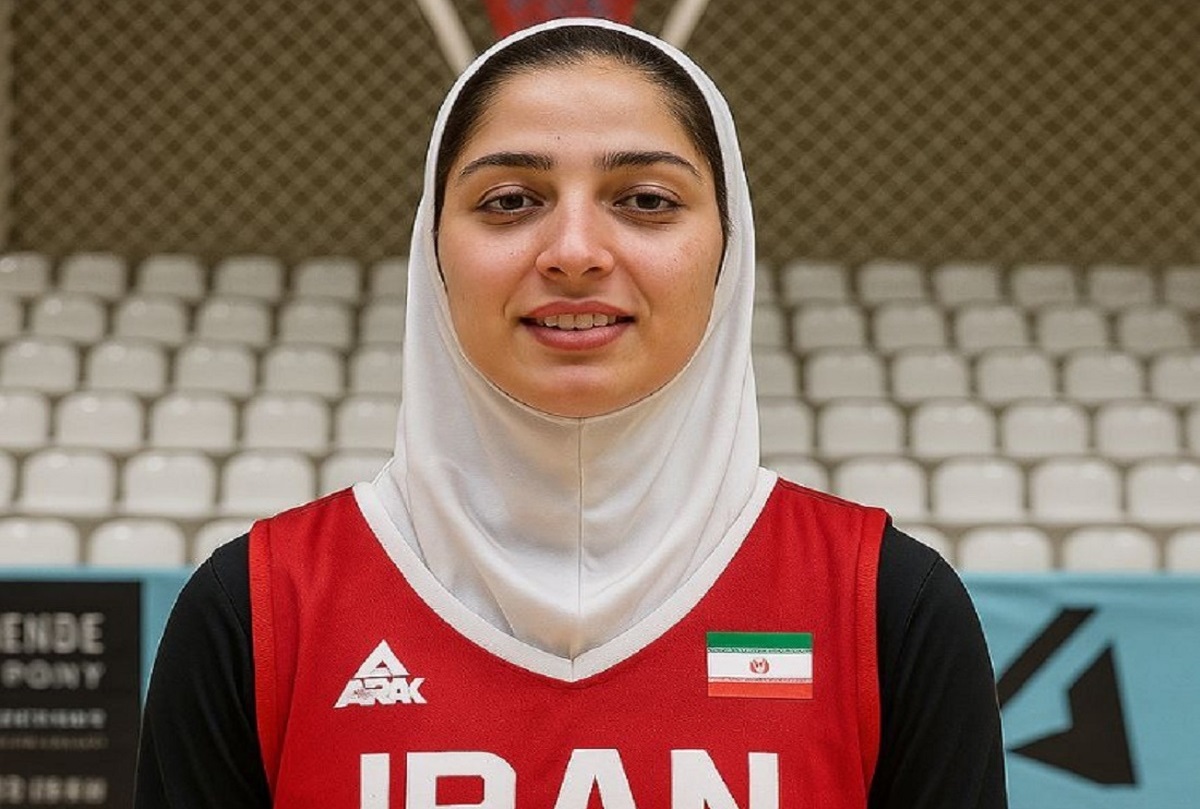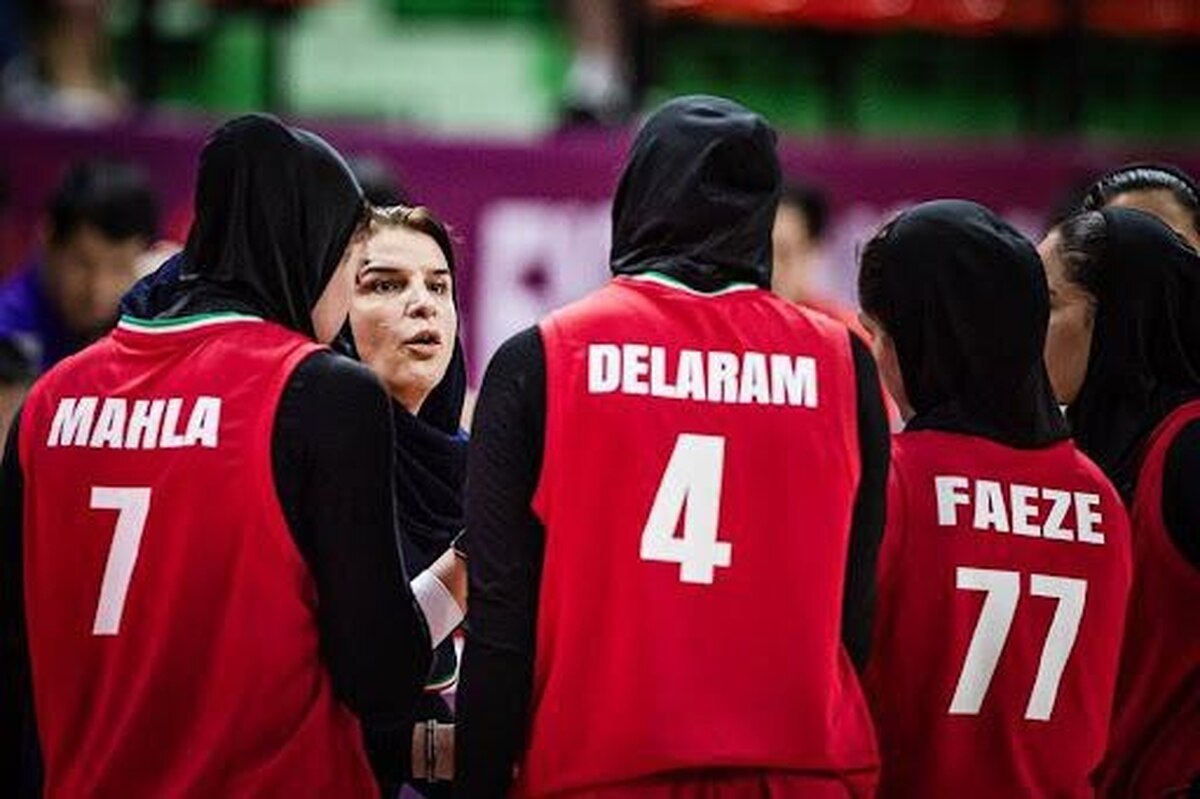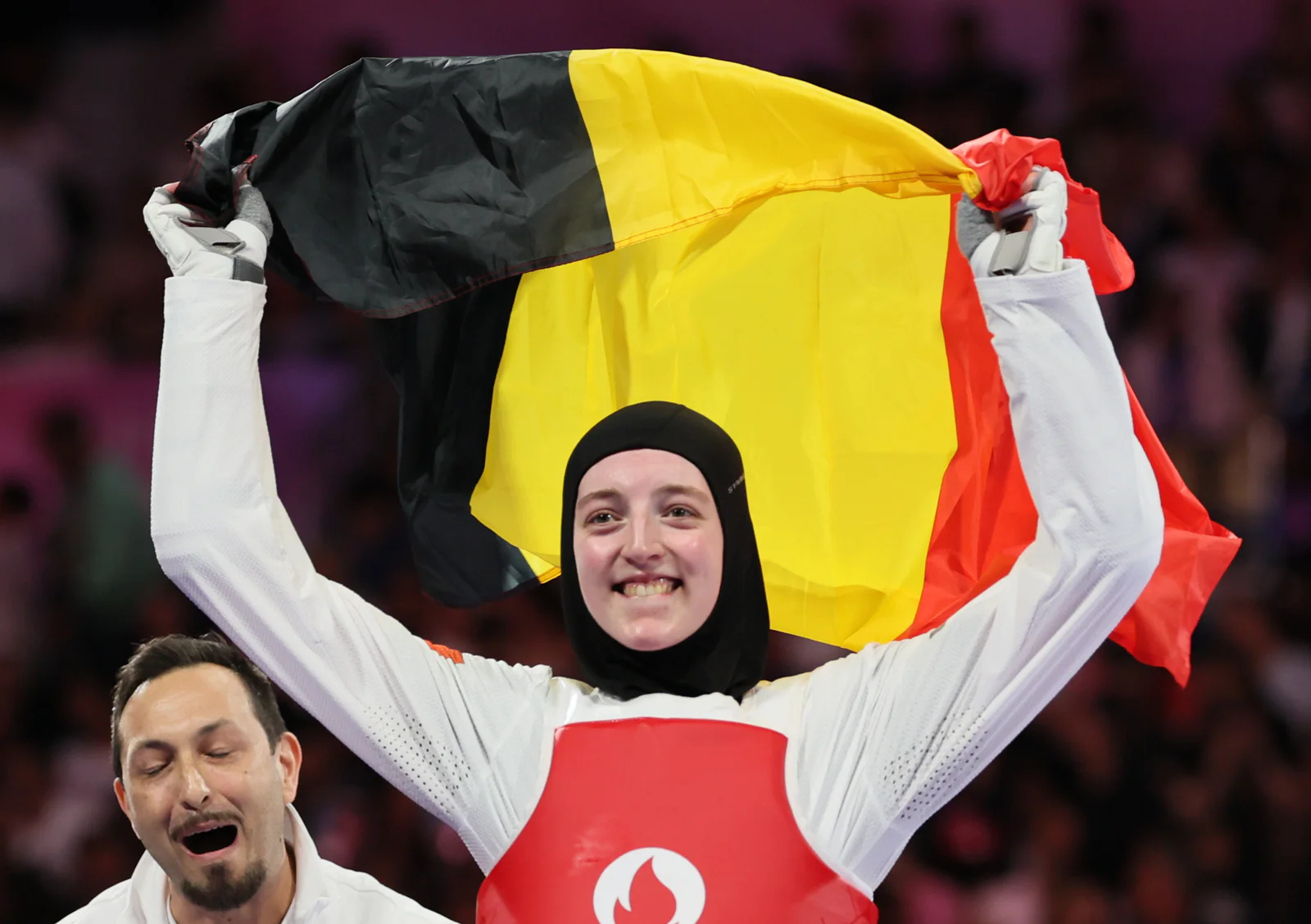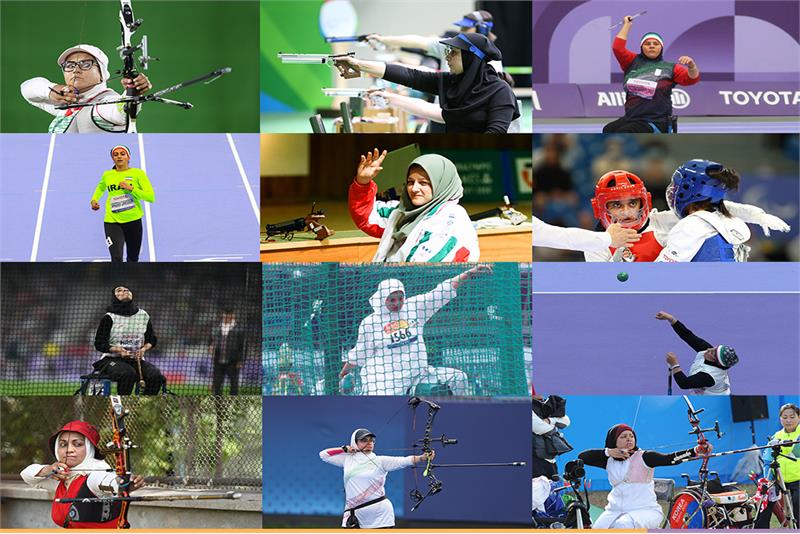




The year 2025 has ended, and as per annual tradition, the list of the world’s highest-paid athletes has been published once again. Yet, it seems time has stood still on this chart.
For the third consecutive year, a look at the top 100 names on this list reveals only one image: a long line of men. No woman’s name is present among this lineup. Here, at the pinnacle of the professional sports world, where numbers speak loudly, a deep, historic gap is glaringly evident.
The combined income of these 100 men reaches a staggering $6.05 billion. Cristiano Ronaldo, as in previous years, stands at the top with an income of approximately $260 million—figures that transcend football and have turned him into a global brand. But if you’re looking for the world’s highest-paid female athlete, you have to descend much further down the overall list. There, the name of Coco Gauff, the young tennis star, shines with her $31 million income. This means the income of the top woman is less than even one-eighth of the top man’s income. To better understand this gap, imagine adding Gauff’s income not once, but eight times to roughly reach Ronaldo’s figure.
This is the strange paradox of the modern sports world: on one hand, women’s sports have never been so popular, exciting, and followed. Stadiums fill up for the Women’s World Cup, women’s tennis finals attract billions of viewers, and brilliant female talents are drawing a new generation to the fields. On the other hand, this explosive popularity and public reception have still not translated into the universal language of money. It’s as if there’s an invisible wall between viewership and financial valuation.
The roots of this inequality lie not only in direct salaries for games but are embedded in a complex web of factors. Sponsorship and endorsement deals, the primary engine of wealth in professional sports, disproportionately flow toward male athletes. Major brands often allocate massive budgets to male figures, while female athletes, despite high influence and popularity, sign significantly smaller contracts. Media coverage also plays a major role in this equation; airtime, expert analysis, and front-page news are predominantly dedicated to men’s events, which in turn reduces advertising value and sponsorship appeal. Even the prize money structure in many major tournaments is still not equal.
But on this map of inequality, signs of change are also visible. Social movements for equal rights in sports have grown stronger. Some professional women’s leagues are attracting major investors, and spectator turnout is revealing their commercial potential. Conscious and pioneering brands have begun signing historic deals with female athletes, not only investing in them but also sending a strong message about their values to the world. The collective struggles of female athletes for equal prize money, especially in tennis, have led to significant achievements.
The fundamental question is this: when a female athlete delivers the same level of technical skill, the same competitive power, the same appeal to spectators, and the same professional discipline, why does our world still assign her less financial value? This question is not limited to sports. The list of the top 100 earners is, in truth, a perfect mirror of deeper social inequalities and shows that the path to real equality is still long. This competition is bigger than any championship match; it is a race to redefine fairness, to recognize the equal value of effort, and to build a future where the playing field reflects equality, rather than widening the gap.
womensagenda