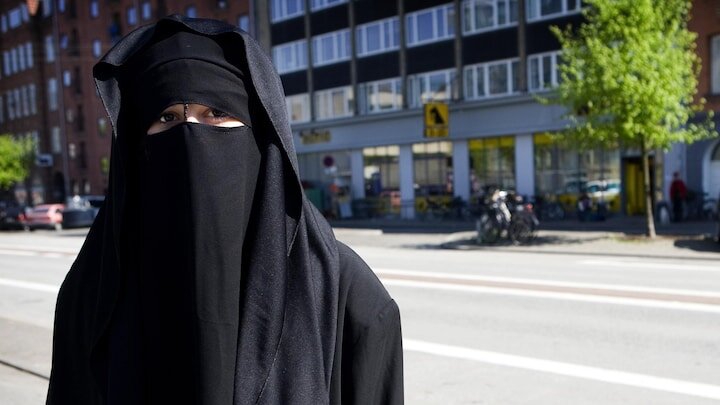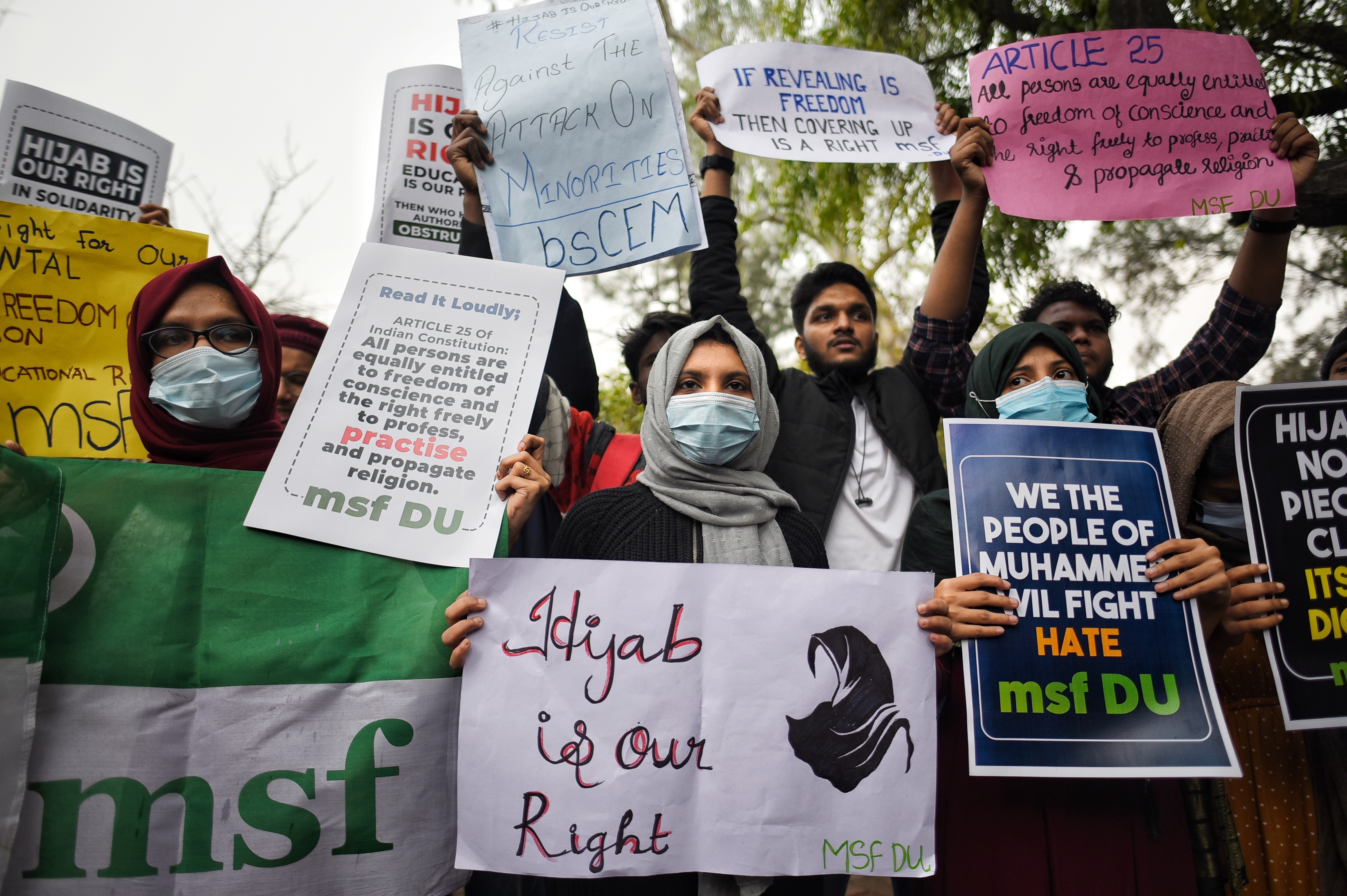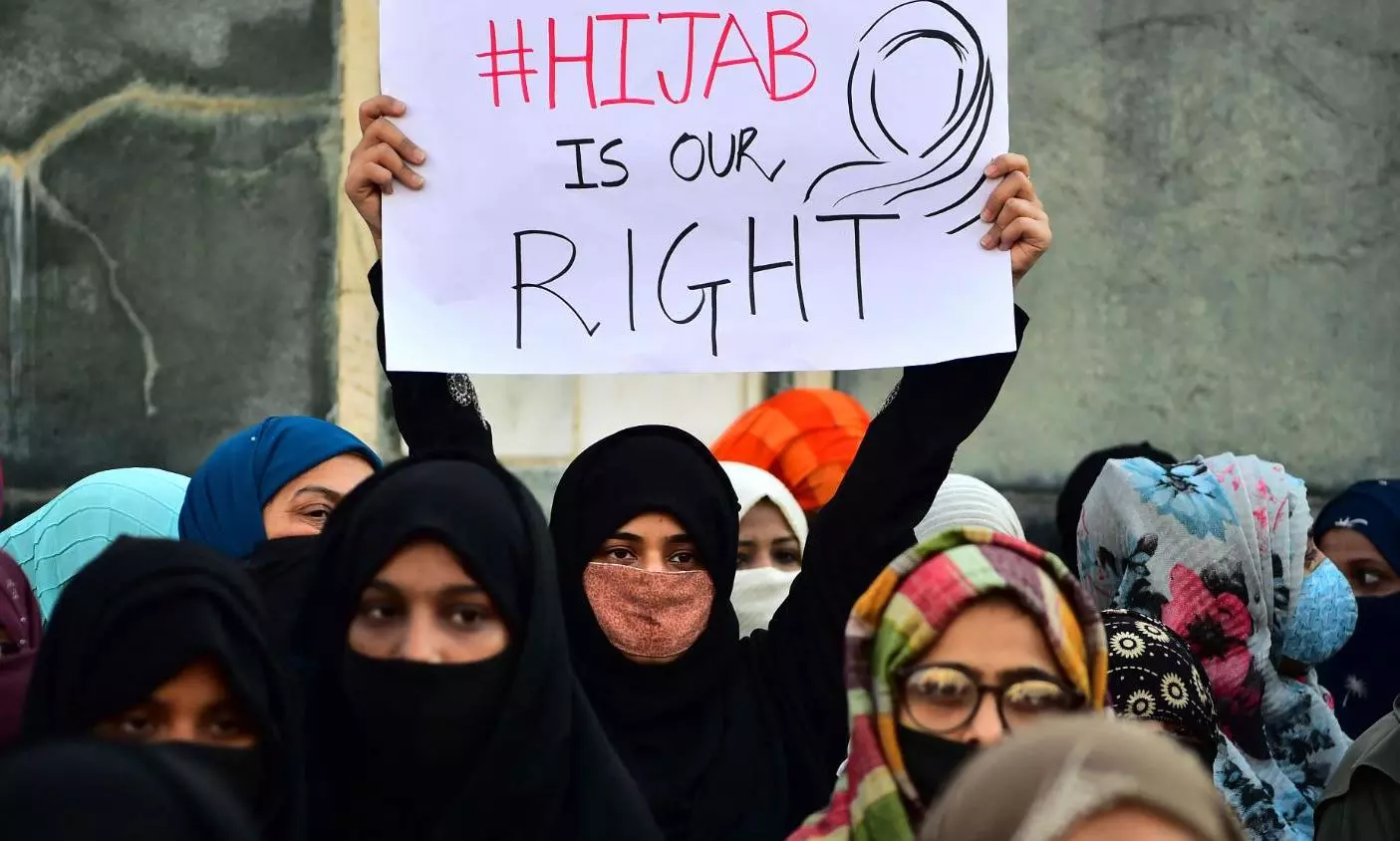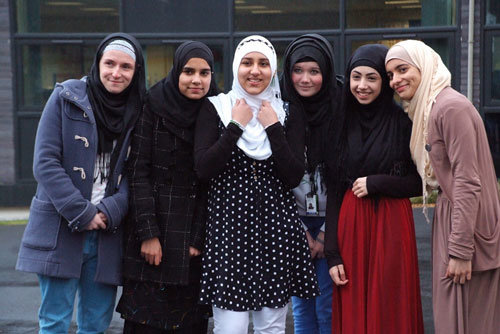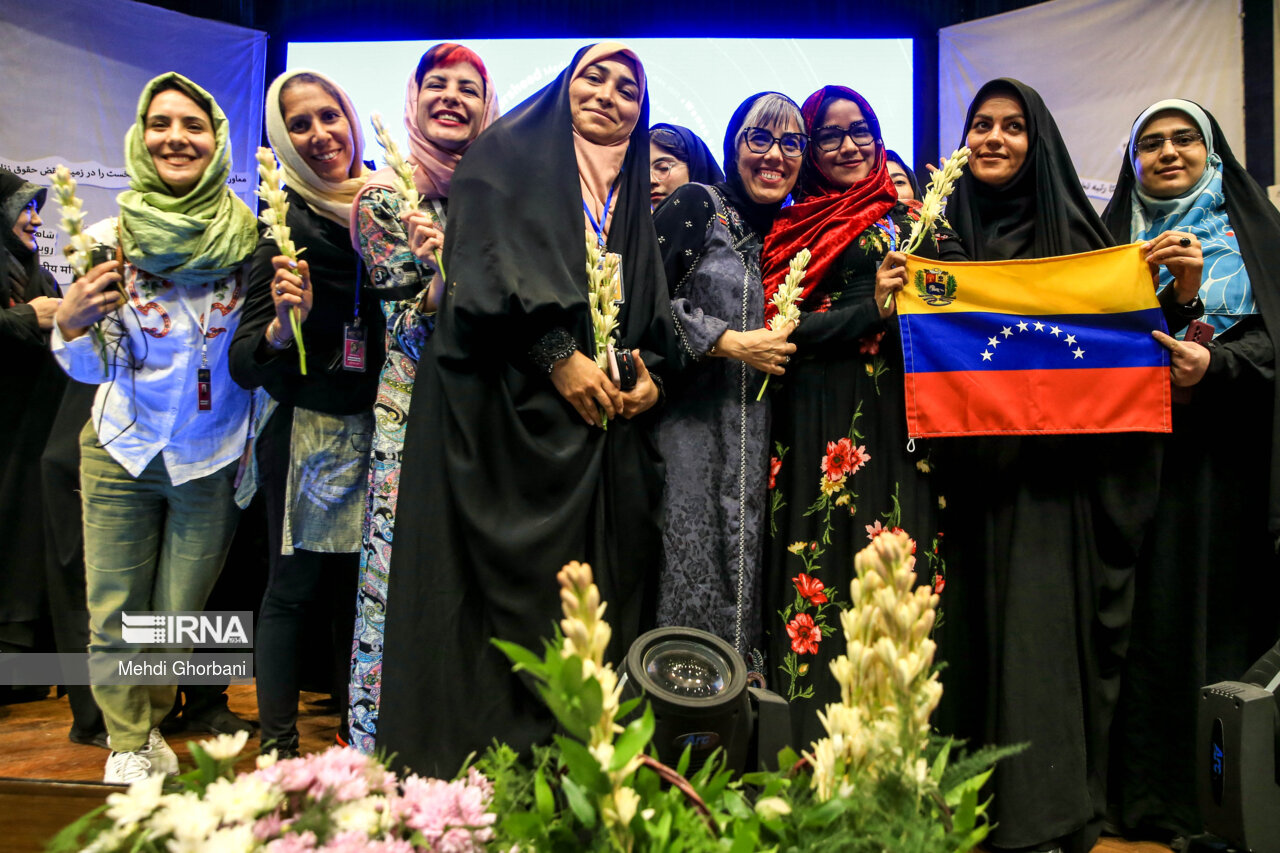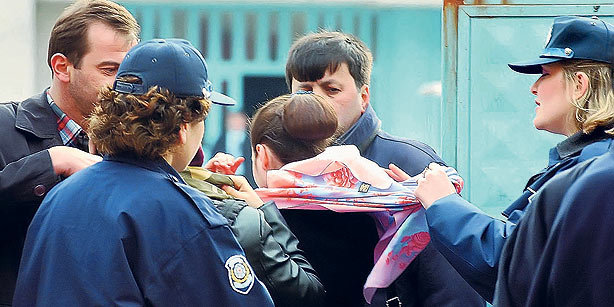


As the world observes the International Day for the Elimination of Violence Against Women, for Muslim women across the globe this date marks a multilayered struggle — a struggle where gender intersects with religion, and personal harms collide with systemic discrimination. These women not only face common forms of gender-based violence, but also bear the weight of deeper layers of Islamophobia in Western societies and war-related atrocities in West Asia.
Dual Crises: From Street Harassment to Siege Under Rubble
In the global crisis of violence against women, Muslim women often carry a double burden. On one hand, they endure gendered violence rooted in patriarchal norms. On the other, cultural and religious prejudices subject them to heightened Islamophobia and structural discrimination — from social exclusion to legal limitations. In war-torn regions such as Palestine, the horrors of occupation, siege, displacement, and economic deprivation compound their vulnerability, exposing them to some of the most severe and layered forms of violence. The International Day for the Elimination of Violence Against Women should thus serve as a moment not just for symbolic support, but for truly listening to those whose identities — gender, faith, and ethnicity — intersect under systemic oppression.
Recent data from European contexts confirm this double jeopardy: according to a 2025 report, one in two Muslims in the EU now report experiencing racism or discrimination in their daily lives, up from 39% eight years ago.
Hidden Numbers: The Reality Behind the Silence
Global statistics have long shown violence against women to be a persistent issue — for instance, hundreds of millions of women worldwide suffer physical or sexual abuse during their lives. When Muslim women are considered specifically, the story often deepens. In Europe, for example, the majority of victims of anti-Muslim hate crimes are women, especially those who wear visible markers of their faith.
In countries like Austria, over 1,000 Islamophobic incidents were reported in a single year — and women, especially those wearing a hijab, constituted the majority of victims.
Moreover, systemic barriers in employment and education further marginalize Muslim women. In many European countries, women who visibly practice their faith find their opportunities severely limited because of discrimination and prejudice.
Media’s Two-Edged Sword: From Sympathy to Suspicion
Media representations often trap Muslim women in a harmful binary: either as passive victims needing rescue or as cultural threats to be contained. This dual image fuels social exclusion and verbal abuse, leaving many feeling perpetually insecure. The consequences are tangible: exclusion from public spaces, fear of daily life, internalized anxiety, and a constant sense of being “othered.”
This kind of symbolic violence — rooted in portrayal and perception — often goes undocumented but is no less destructive. It shapes how Muslim women experience public life, freedom, and dignity.
Geographic Differences: How Muslim Women’s Suffering Varies Across the Globe
- Europe: Muslim women, especially those wearing hijab, are among the primary targets of anti-Muslim violence and discrimination. Laws and social norms, particularly regarding religious dress, often exclude them from education, employment, and public participation.
- North America: In the US and Canada, every major security incident leads to spikes in anti-Muslim sentiment, disproportionately affecting visibly Muslim women. Many prefer to hide their religious identity or remain silent to avoid harassment or discrimination.
- Asia: In certain countries, Muslim women face gender inequalities compounded by state-level religious or ethnic discrimination — including restrictions on travel, marriage, and access to public services.
- West Asia / North Africa: Here, women contend with multiple and overlapping challenges: domestic violence, structural gender discrimination, and the brutality of war, occupation, and economic deprivation.
In regions experiencing armed conflict — such as occupied Palestinian territories — the violence is not sporadic or individual, but institutional and ongoing. Women there often carry the disproportionate weight of war — physical danger, poverty, displacement — while bearing the social burden of sustaining family structure, cultural life, and community resilience.
The Intersectionality of Oppression: Why Muslim Women Are at Crossroads
Research from international and academic institutions reveals a painful reality: the oppression faced by Muslim women is rarely single-dimensional. It is not solely about gender, nor only about religion — but a locus where multiple kinds of discrimination intersect: ethnic, religious, cultural, political.
In Western societies, Muslim women are often forced into a continuous struggle to prove their worth and rights. Legal restrictions, job discrimination, surveillance, and misrepresentation in media push them to the margins. Instead of being seen as individuals with agency, they are often treated as a collective “other,” a threat, or a problem.
In conflict zones or occupied lands, the intersection becomes grimmer: state violence, militarization, economic deprivation, and forced displacement compound already existing gender and religious injustices — forcing women to carry burdens that are physical, emotional, social, and existential, at once.
What Needs to Change: A Paradigm Shift for Justice
Understanding the suffering of these women demands that we recognise their agency — not just their victimhood. It is essential to see them as active agents who strive, resist, endure, and rebuild. Many Muslim women in the past decade have mobilized, raised voices, fought for reforms in domestic violence laws, child custody rights, and political representation. Their resilience shows that change — though slow — is possible.
To move toward justice, experts emphasize:
- Structural reforms — Enforcing anti-discrimination legislation, ensuring equal access to education, employment, and public life regardless of religion or dress. Governments and institutions must establish independent mechanisms for investigating hate crimes — both individual and systemic.
- Changing discourse — Media and policymakers must reject harmful stereotypes, avoid portraying Muslim women as either victims or threats, and instead give space for their voices to tell their own stories. Participation of Muslim women in public discourse is critical to reclaim their narrative.
- Global solidarity — The international community must stop treating Muslim women’s suffering as a side issue. Their rights and dignity should be central to any conversation about gender justice, human rights, and global peace.
In the end, true global peace and lasting security will only be achieved when the international community treats women’s suffering not as a side issue, but as a foundation for justice and progress. And as long as Muslim women continue to endure multiple layers of discrimination, any promise of gender equality will remain unfinished.
From: shabestan