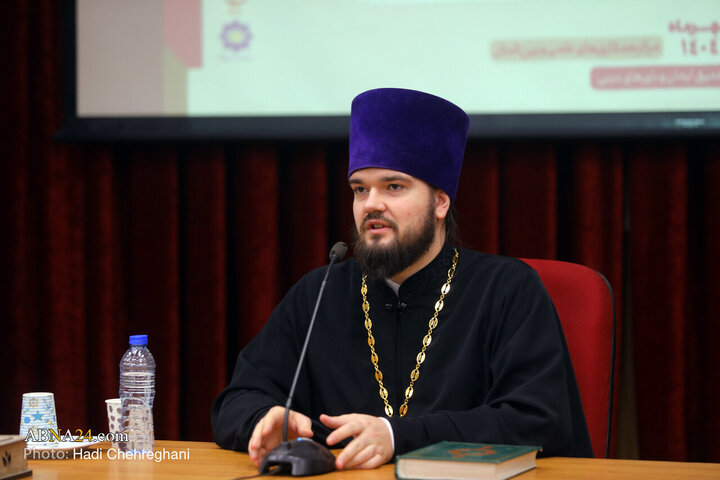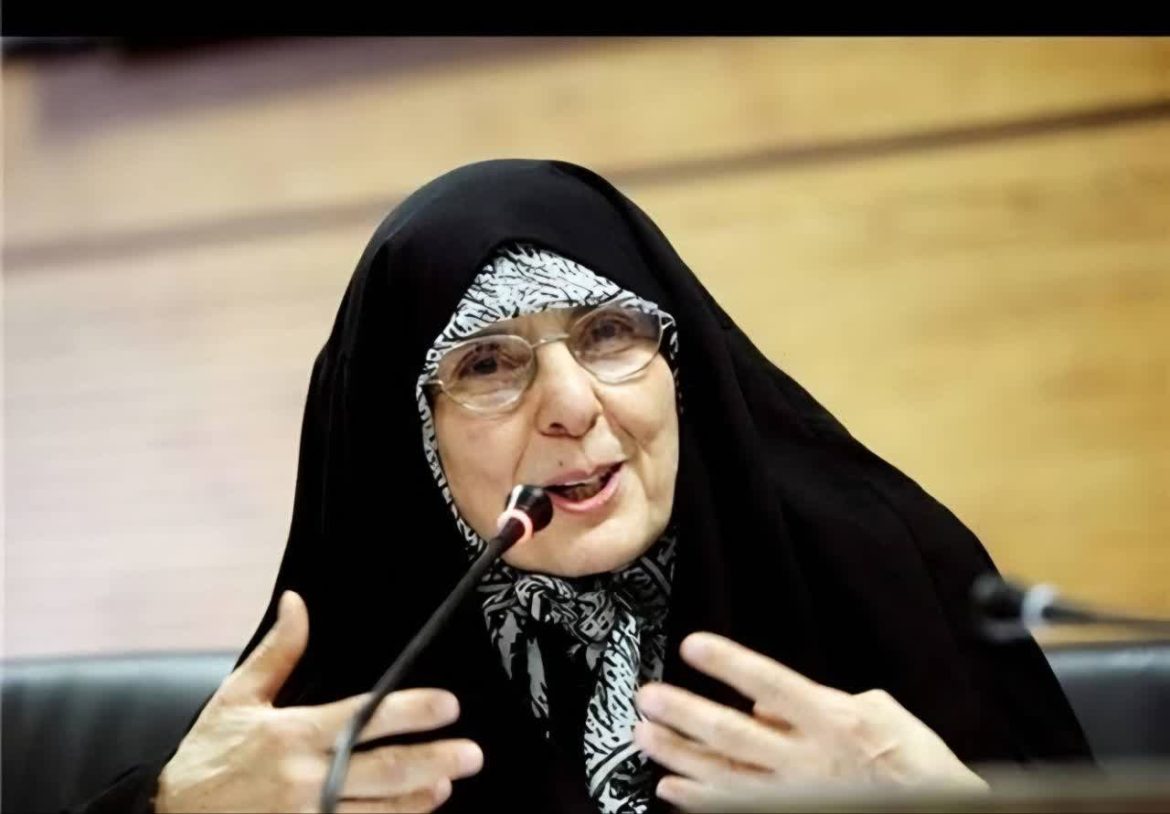




Mary F. Thurlkill, a Christian author and professor of religious studies at the University of Mississippi, emphasizes that the figure of Lady Fatima (s) embodies many teachable aspects—and can, as a luminous guide, inspire both women and men in today’s world.
Who Is Mary F. Thurlkill?
Mary F. Thurlkill is a professor of Religious Studies at the University of Mississippi, specializing in early and medieval Christianity and Islam. She holds a PhD in Religious Studies from Indiana University, after earning her BA and MA in History from the University of Arkansas. Thurlkill joined the Ole Miss faculty in 2003.
Her research interests span Christianity and Islam, with a more recent focus on pilgrimage and “sacred sounds” such as music, chant, and Qur’anic recitation.
Key Works by Thurlkill
Thurlkill has authored several significant books:
- Chosen Among Women: Mary and Fatima in Medieval Christianity and Shi‘ite Islam
- Sacred Scents in Early Christianity and Islam
- A chapter titled “Holy Heads: John the Baptist and Imam Husayn in Early Christian and Islamic Pilgrimage” for the Routledge Handbook on Religion and the Body.
In Chosen Among Women, she combines historical scholarship with gender studies and religious studies to draw parallels between the Virgin Mary in medieval Christianity and Lady Fatima in Shi‘ite Islam. She explores how Fatima’s image shaped Shi‘ite identity, including how figures like Muhammad Baqir al‑Majlisi promoted her both as a sacred mother figure and a symbol of the holy family.
Why Fatima (s) Matters So Much to Her
In her conversations about Lady Fatima (s), Thurlkill highlights her perseverance, even under the most difficult circumstances. She argues that Fatima radiated “light” through her faith and loyalty to her family, inspiring both men and women. According to Thurlkill, Fatima’s life challenges us: despite struggles, one can remain faithful, carry moral courage, and shine spiritually.
From her perspective as a scholar outside the Islamic tradition, Thurlkill sees Fatima’s story not just as a religious model but as a bridge for mutual understanding between Christians and Muslims. She believes that comparing Mary and Fatima can reveal shared moral foundations—like compassion, purity, and resilience—that transcend religious boundaries.
Navigating Respectful Scholarship
Thurlkill is aware of a delicate balance in her work: how to study revered Islamic figures critically, yet respectfully, without offending believers. She says humility is key. In her comparative religion classes, she often recalls Quran 49:13, which speaks of humanity’s diversity and the purpose of knowing one another. She points also to the Nostra Aetate document from the Catholic Church, which teaches that no single religious tradition is perfect—but people should learn from each other as they seek virtue.
How Her Understanding Has Grown Over Time
Reflecting on her own journey, Thurlkill admits that if she were to revisit her study today, she would emphasize more how Muslim communities commemorate Lady Fatima (s)—both historically and in modern practice. When she first began her research (around 2007), her resources were limited to books and documents; now she draws on online forums, academic debates, and visits to historic mosques in places like Egypt, Turkey, and Jordan. These experiences have deepened her insight into how ordinary people honor Fatima and what she means in their lives.
Fatima (s) in a Few Words
Asked to describe Lady Fatima (s) simply but powerfully, Thurlkill calls her: a devoted protector of her family, a defender of justice, and a faithful servant of God—even when it was hard.
From: IQNA