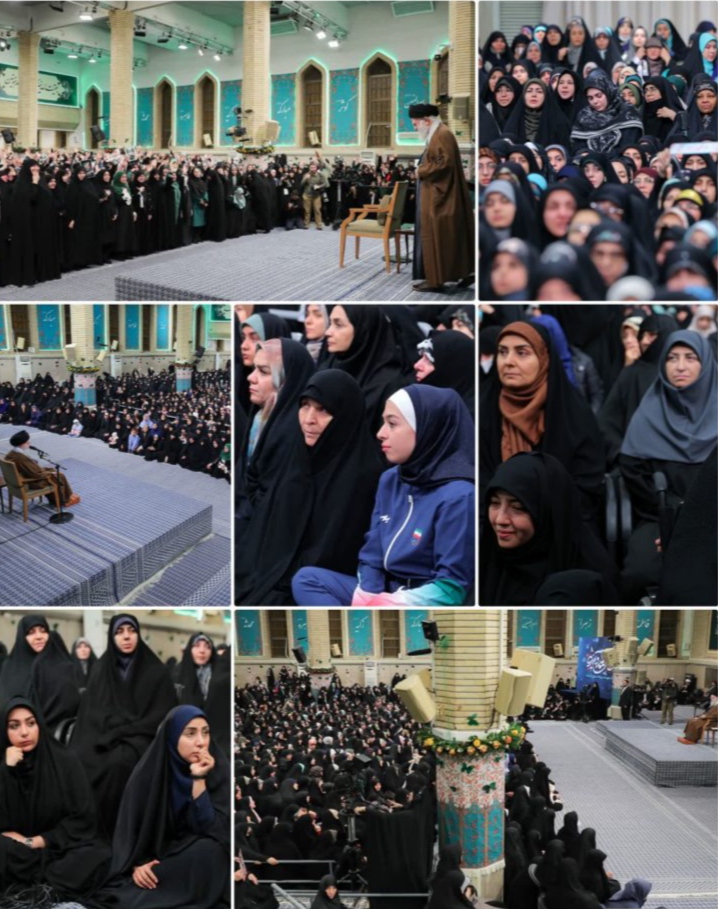




The “Human Model” series — focusing on the lives and decisive choices of seven women mentioned in the Quran — was unveiled in Iran at a cultural event featuring the traditional art of parde-khwani, with attendance from cultural leaders and activists.
A Cultural Presentation Linking Religious Narrative with Artistic Expression
The unveiling of the “Seven Quranic Women” narrative series took place at the Women’s Coordination and Leadership Center of the Islamic Propagation Organization, attracting scholars, Quranic activists, cultural figures, and artists. The event included a performance of parde-khwani — a traditional form of storytelling through painted scrolls — blending religious narrative with an artistic medium.
Reframing the Image of Women in the Quran
At the event, Sara Talebi, Director of the Women’s Coordination and Leadership Center, emphasized the need to revisit how women are portrayed in the Quran. She explained that, in the Qur’anic view, women are not passive or marginalized figures but individuals with willpower, conscious choice, and faith who play influential roles at critical moments in history. The “Human Model” series aims to highlight this active and impactful image.
Beyond Western or Eastern Stereotypes: A Third Paradigm
Talebi went on to clarify the concept of a “third model” of women. She said that women in the context of the Islamic Revolution cannot be defined within Western consumerist frameworks or as passive figures seen in some Eastern narratives. Instead, they chart their path guided by reason, faith, and informed choice, requiring ongoing and artistic storytelling to make this understanding accessible.
The Seven Women of the Quran: Stories of Faith and Choice
The “Human Model” series unfolds the lives of seven women who are explicitly mentioned in the Quran, using parde-khwani and narrative techniques to bring their experiences to life. These figures include:
- The Queen of Sheba at her historic moment of decision
- Asiya, wife of Pharaoh
- Maryam (Mary), mother of Jesus
- Hajar
…and other women who made pivotal, divinely-guided choices in times of hardship.

The Importance of Narrative in Shaping Perceptions
Talebi also warned against a “war of narratives.” She stressed that if influential women of the Islamic Revolution and Qur’anic role models are not told accurately, the broader image of Muslim women may be distorted. To counter this, the Women’s Center has launched initiatives like “Living with Verses” and “Be the Narrator” to empower Iranian women to share their own lived experiences of faith.
Women as Living Signs: Real Examples of the Model
Talebi described female scholars, religious educators, and cultural activists as “living signs” of the model the Quran presents — embodiments of patience, faith, intellectual striving, and deliberate choice. These real-life examples mirror the qualities celebrated in the Quranic figures featured in the series.
Exhibition and Program Timeline
The “Human Model” series is part of a broader program that includes the “Lady of Iran” exhibition — one of the key offerings of the Women’s Coordination and Leadership Center. This program began in the month of Rajab and will continue through Ramadan, aiming to connect the stories of Muslim women from Quranic verses to the realities of contemporary life.
Report by: Mahta Sanei
From: jahanbanou