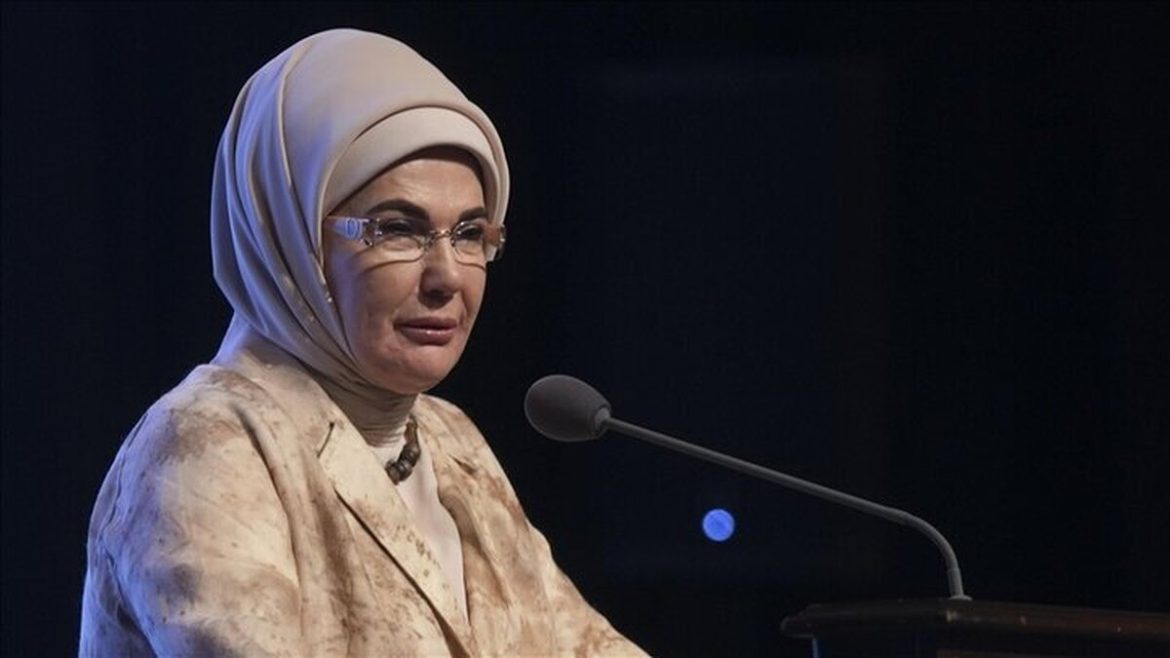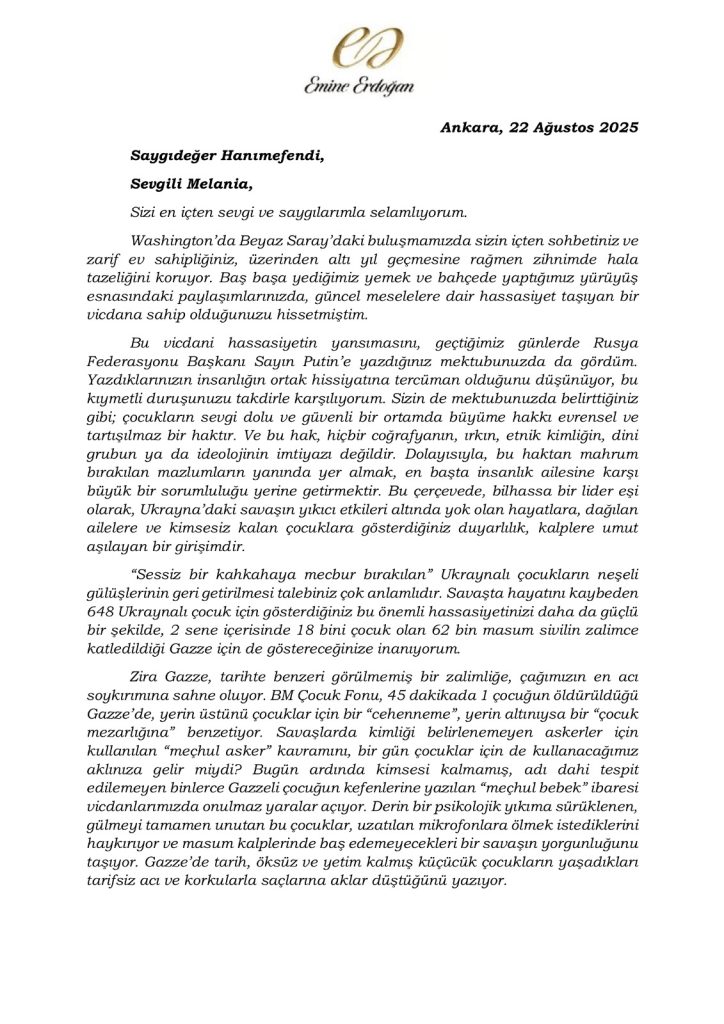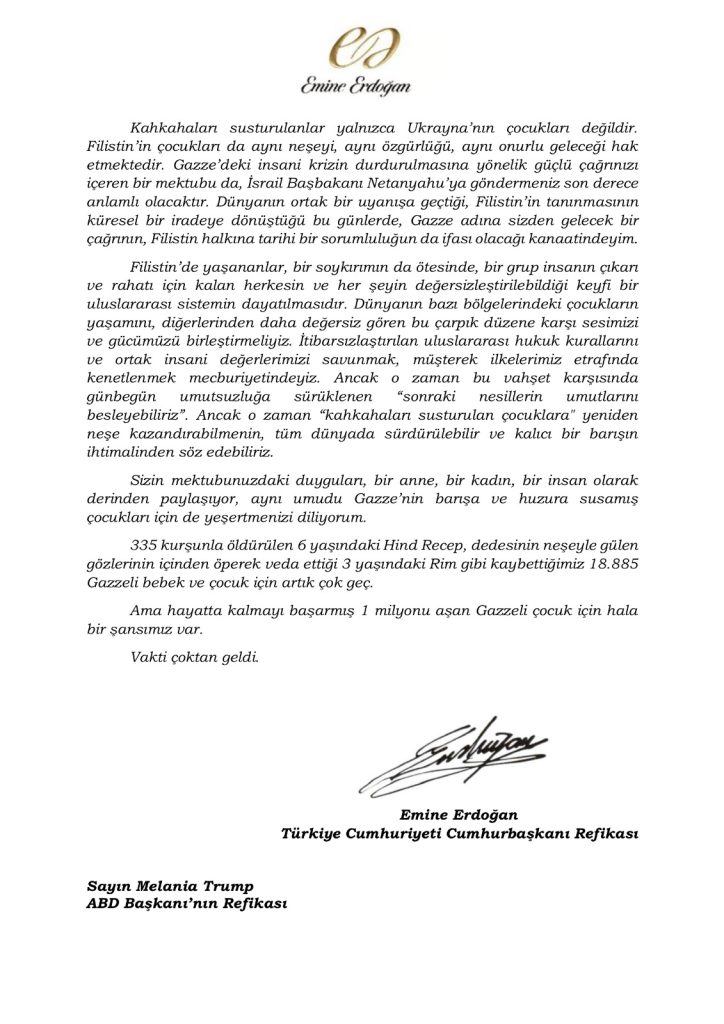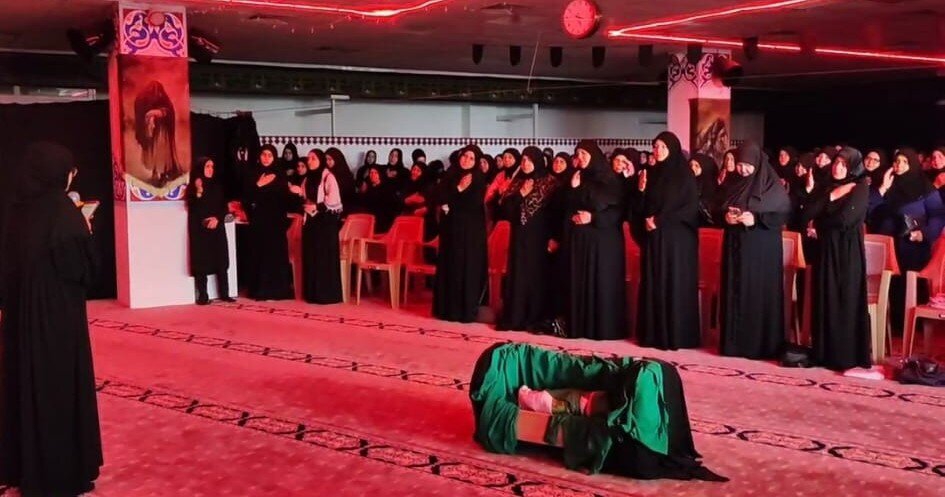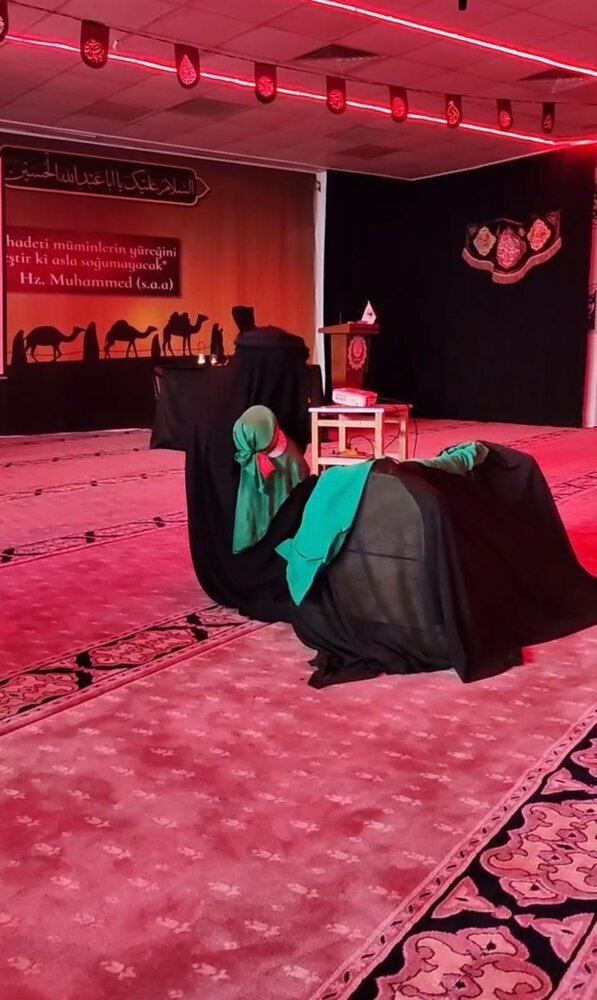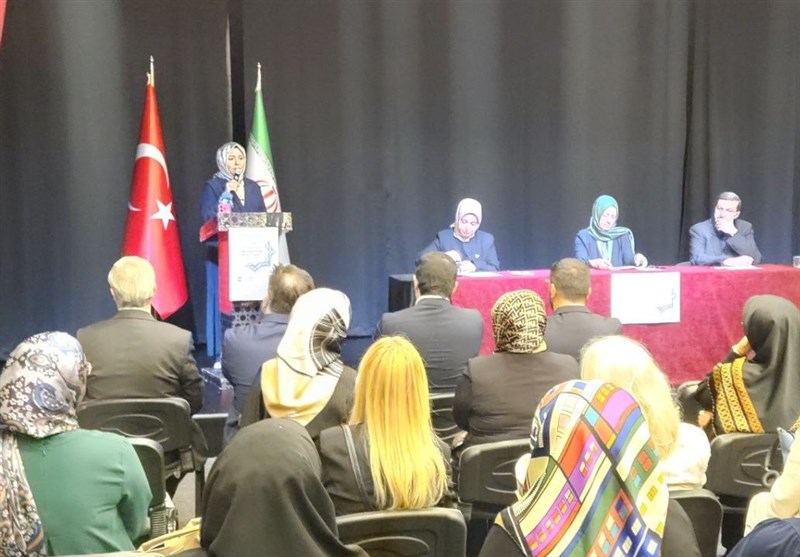




A number of Turkish women have protested the silence of the Turkish government and society in the face of Western aggression against Muslim countries, accompanied by a reminder of the historical experience of the collapse of the Ottoman Empire. In their view, that experience was the result of internal disputes and the intervention of Western powers, leading to the dismemberment of that empire and the formation of numerous countries in the Middle East.
The Middle East before World War I (1914) was vastly different from the Middle East after World War I. These changes were aimed at further weakening the central governments ruling the Middle East. Yes, “further weakening” means that for decades before the start of World War I, the central and indigenous governments of the Middle East had been subservient to Western colonial powers.
From the sheikhs of the Persian Gulf to the rulers of Iran, Bukhara, and Khiva! In the meantime, there was one country whose very existence, despite its many structural flaws, was a great nuisance to the West, especially Britain. That country was the “Ottoman Empire.” On the one hand, the vastness of the Ottoman Empire, and on the other hand, its status as the “Mother of Villages” (Umm al-Qura) of the Islamic world because it encompassed Mecca and Medina within its vast territories, posed a significant threat to the interests of Britain and its Western allies, including France.
The historical memory of the Turkish people, especially Turkish women, clearly recalls how the Turkish-ruled Ottoman Empire was divided into several small, independent countries, including Turkey, Iraq, Syria, Lebanon, Palestine, Saudi Arabia, Qatar, and Kuwait. The reason for the defeat and fragmentation of the Ottoman Empire against Britain and its allies during World War I was not logistical inferiority or a lack of experienced soldiers and generals. The reason for the defeat and fragmentation of the Ottomans was the widespread activities of Pan-Turkism, Pan-Arabism, and local groups, among which there were many disputes.
The central authority of the Empire, which was often in Turkish hands, often feigned ignorance (engaged in negligence) towards other groups, including the Arabs under its rule. This led groups affiliated with the British and French embassies, according to what these two countries had secretly agreed upon, to bribe the powerful sheikhs of each region.
Despite significant victories at the beginning of the Ottoman Empire’s conflict with Britain and France, several defeats triggered the activation of Pan-Arabism in each region. Regions that today are known as the countries of Kuwait, Syria, Iraq, Saudi Arabia, Qatar, Lebanon, and Palestine. The hardships and conflicts among these separated parts were, on the one hand, a great wound for the region. But more importantly, it marked the beginning of the migrations of Jews from various countries, including France, to Palestine and the vicinity of Jerusalem.
This itself became a starting point for the birth of the ominous and usurping regime of Israel. The anger of Turkish women towards the inaction and silence of Turkish men regarding Western aggression against Iran as a Muslim country is a protest against the futile tendencies of Pan-Turkism, which has been of no use even for modern-day Turkey, a country born from the dismemberment of the Ottoman Empire. It is a protest against meaningless pretensions, of which Turkish-style Islam has prominently become a symbol.
A Turkey that holds lavish celebrations for the birth of the Holy Prophet (PBUH) but shows no reaction to helping its oppressed Muslim brother and merely stands by and watches. While helping an oppressed Muslim brother was a definite command of the Holy Prophet (PBUH). This protest action by Turkish women serves as a reminder that jihad for the sake of Allah (Jihad fi Sabilillah) is a duty that God has lifted from the shoulders of women, while Turkish men also consider themselves exempt, like women, from the battlefield of jihad against the enemies of Islam and from helping Muslims.
By: Soghra Ashouri