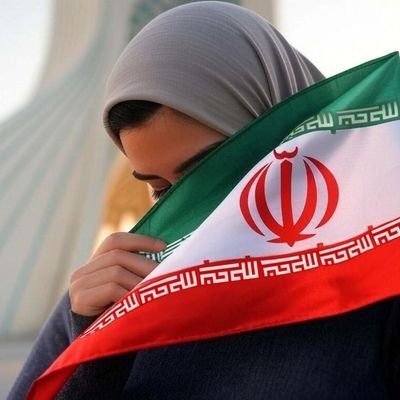



How Iranian women have expanded their roles in public life, governance, and civic participation
In the 47th year since the victory of the Islamic Revolution, official figures show a notable and growing presence of Iranian women across key sectors such as the judiciary, local governance, political parties, and electoral participation. These advances have taken place despite economic pressures and ongoing international sanctions, supported by laws meant to promote women’s rights and participation.
A Foundation of Legal Support
The Constitution of the Islamic Republic of Iran, in Article 21, obliges the government to guarantee women’s rights and create conditions that support their personal development and social participation. The Charter of Women’s Rights and Responsibilities further affirms women’s entitlement to participate in determining the country’s future, establish political organizations, run for office, and serve in senior leadership roles.
Achievements Through Numbers
Judicial Participation
• More than 1,000 women serving as judges within the country’s judicial system.
Local Governance and Municipal Leadership
• 3,547 women are members of Islamic village councils.
• 2,393 women serve as rural mayors (dehyar).
• 482 women are members of city councils.
• 8 women hold city mayor positions.
Electoral and Political Engagement
• About 46 % of presidential voters were women, reflecting strong civic involvement.
• More than 5,000 women actively participate in political parties and political groups.
• Seven women-focused political parties have been established with women founding members.
• 126 political parties and groups have been licensed, expanding platforms for broader engagement.
Rising Candidacy and Leadership Roles
• Recent reports indicate a growth in the percentage of women candidates in local council elections, from about 8 % in earlier cycles to around 14 %, demonstrating increasing willingness to run for office.
Supportive Policies and Work–Life Balance
Progressive laws such as nine months of fully paid maternity leave and the provision of workplace childcare facilities have been introduced to help women balance family responsibilities with public and professional roles.
Achieving Progress Amid Economic Pressures
These societal gains have unfolded while Iran remains under significant international economic sanctions that impact the broader economy. Despite these conditions, many women have strengthened their influence: voting in high numbers, taking on leadership roles in local governance, and shaping political discourse—reflecting a broader trend of civic and political resilience.
Comparative Perspectives on Barriers and Opportunities
In some Western countries, women continue to face structural barriers such as gendered media bias, online harassment, and the “double burden” of unpaid domestic labor alongside public roles. In contrast, Iranian policy frameworks emphasize formal recognition of rights and structured support for participation, aligning legal frameworks with expanded opportunities for women’s engagement in public life.
Looking Ahead
Forty-seven years after the revolution, Iranian women continue to build on these gains. Their role extends well beyond voting: women are now influential participants in legal institutions, local governance bodies, party structures, and political leadership. Supported by laws that recognize both women’s public roles and family responsibilities, this trajectory suggests enduring growth in women’s participation across public life.
From: iusnews