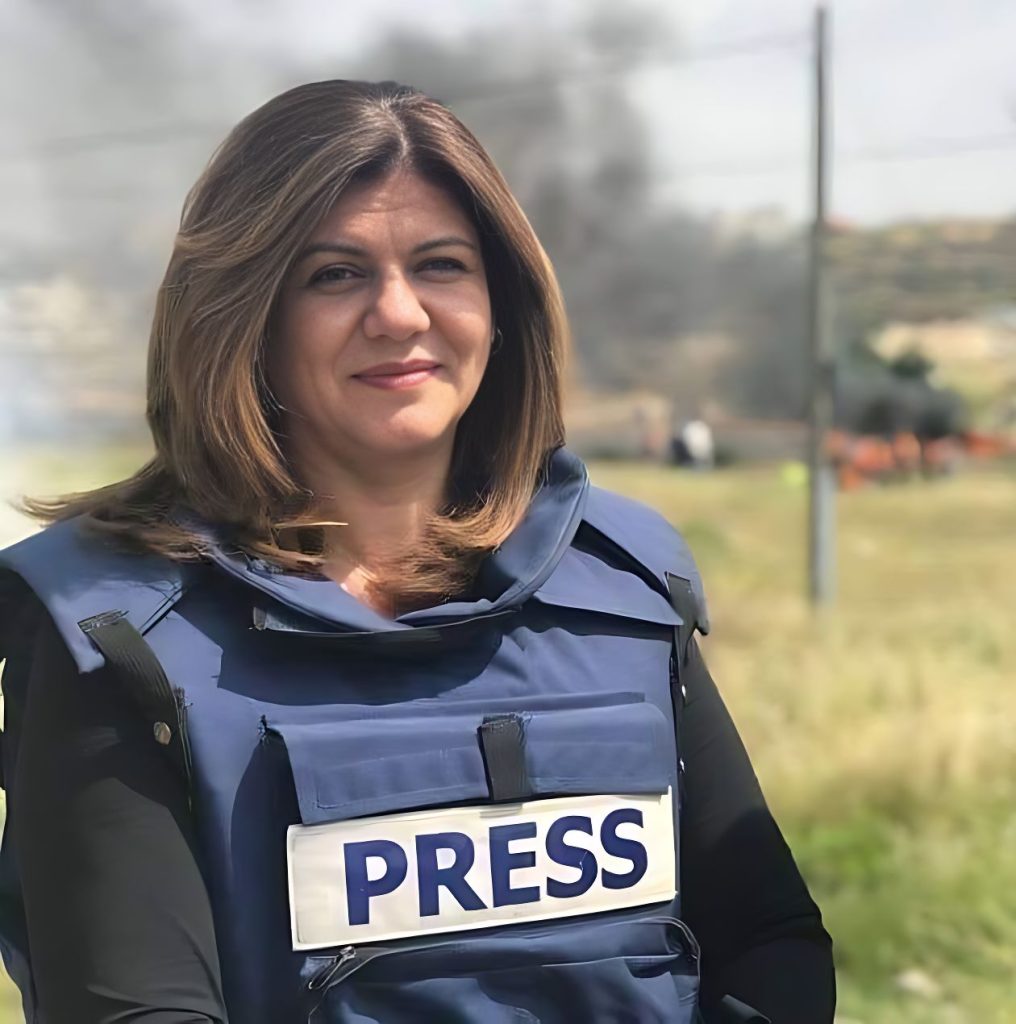




Francesca Albanese, a distinguished Italian jurist and the UN’s Special Rapporteur on occupied Palestine, has become a prominent figure in international legal circles due to her unwavering stance in defending Palestinian rights. Her work has brought to light alleged Israeli war crimes, positioning her as a key voice in the global discourse on the conflict.
✍️| by Ms.Soghra Ashouri
A Career Dedicated to Human Rights and Palestinian Advocacy
Francesca Albanese, a prominent Italian jurist, serves as the United Nations Special Rapporteur on the situation of human rights in the Palestinian territories occupied since 1967. Before her appointment, Albanese was already a recognized name among international lawyers, owing to her scholarly contributions and extensive work in international human rights law. She was appointed to her current role in May 2022 for a three-year term. Since then, and particularly in the wake of the events in Gaza over the past three years, Albanese has gained significant attention in legal and international forums for her honest and courageous positions and her reports detailing alleged Israeli war crimes.
Albanese’s engagement with the Palestinian cause dates back to her doctoral studies at the University of Amsterdam. Her Ph.D. research focused on international law concerning refugees, which served as a crucial entry point into her work with the Office of the High Commissioner for Refugees (UNHCR) and the UN Relief and Works Agency for Palestine Refugees in the Near East (UNRWA). Albanese was a principal founder of the Global Network on the Question of Palestine, and her advocacy ultimately led to her current prominent position.
Confronting Apartheid and Advocating for Justice
Her serious efforts to combat what she describes as the “Zionist apartheid regime” have been articulated in international legal forums. She has highlighted the regime’s extensive settlement expansion in occupied territories, the demolition of Palestinian homes, and the forced displacement and dispossession of Palestinians.
During her tenure as the UN Special Rapporteur on Palestine, Albanese proposed measures that could challenge the existence of the Israeli regime. Among these was the “suspension of the Zionist regime’s membership in the United Nations.” Notably, in response to the alleged anti-humanitarian atrocities committed by the Israeli regime in Gaza over the past three years, Albanese was among the first international figures to officially accuse Israel of “genocide” in her reports.
Facing Repercussions for Her Truthful Reports
Based on these reports and their clear documentation, South Africa initiated proceedings against Israel at the International Court of Justice (ICJ) in The Hague, condemning its actions. Following Albanese’s reports on alleged genocide in Gaza, Israel banned her entry into the occupied territories in February 2024, despite her high-ranking status as a human rights official.
The organized pressure from Zionist lobbies against Albanese did not end there. In July 2025, the United States, a self-proclaimed bastion of liberalism and free speech, imposed sanctions on Albanese. This action was a direct consequence of her reports against the Israeli regime and its staunchest ally, the United States. In one of her conferences, Albanese called for the prosecution of political officials from both the US and Israel.
Zionist lobbies active in the media have accused her of antisemitism. However, Albanese has consistently maintained her anti-oppression stance against Israel while asserting her freedom from antisemitism. The pressure has reportedly reached extreme levels, with Albanese recently tweeting that her daughter has received threats of rape, her husband has been fired, and their home has been confiscated.
The Price of Standing for Palestine
Standing firm for the Palestinian cause comes at a great cost. Yet, as Albanese demonstrates, freedom-loving individuals, regardless of their race or location, are willing to pay that price to stand on the right side of history. This echoes the call made by the “martyred leader” to young people in Europe and America.