



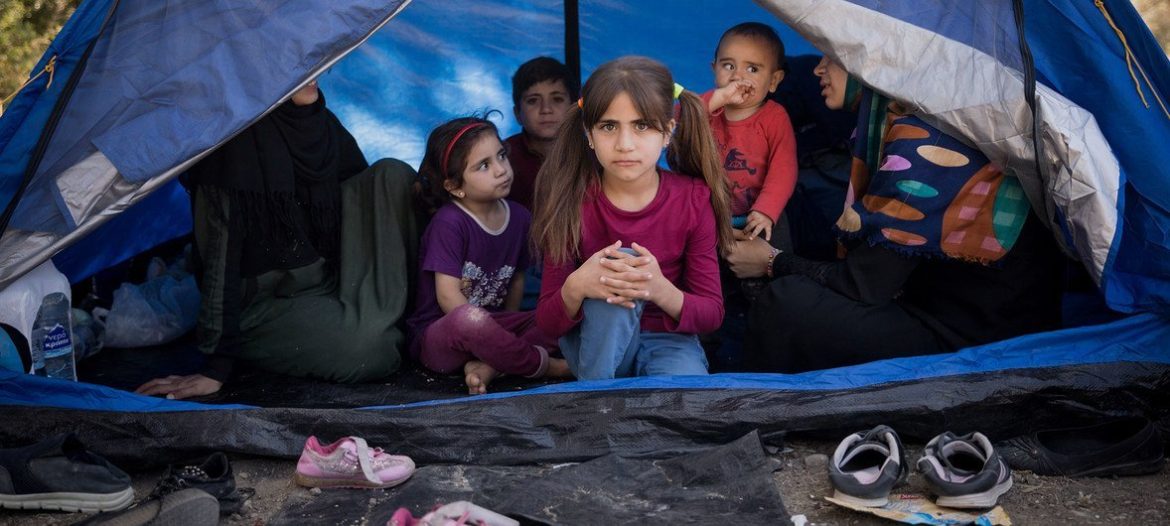
Amid the shadowy, worn-down buildings of Athens, women who have fled war and sexual violence now confront a new crisis. In the temporary shelters where hope for rebuilding their lives once flickered, the heavy shadow of reduced humanitarian aid now darkens everything.
These women, arriving from global conflict zones like Syria, Afghanistan, and various African countries, have witnessed horrific violence during their perilous journeys. Many are survivors of sexual violence, while others saw family members killed in armed conflicts. For them, the shelters in Athens were more than just a roof; they were safe havens for healing physical and psychological wounds, places where they could live without fear.
Now, this safety net is crumbling. NGOs operating in the field report that funding cuts of 40 to 60 percent have forced them to make difficult decisions. The ‘Safety Center for Women,’ which once housed 200 women and children, has now reduced its capacity to just 70. The ‘Hope and Healing Clinic,’ providing specialized medical and psychological care, has been forced to close three days a week.
The consequences of these aid cuts extend far beyond numbers. A 25-year-old woman from the Democratic Republic of Congo, who identifies as Maria, says, “We escaped hell to get here, but now we feel like we are being sent back to that same hell.” Having survived sexual violence in her home country, she has now lost access to her essential psychotherapy sessions.
Shelter managers report an increase in psychological emergencies. Many women who were undergoing treatment have seen their PTSD symptoms return after their medication and therapeutic services were interrupted. Educational and empowerment programs, which were a pathway to self-sufficiency, have been completely halted.
Experts warn this situation could escalate into a full-blown humanitarian crisis. Dr. Elena Papadopoulos, a clinical psychologist working with refugees, states, “We are watching years of progress vanish. A woman who has struggled for months to recover is now, with the cessation of services, being pushed back to square one.”
This crisis is not confined within the shelter walls. Vulnerable women evicted from these centers often fall into the hands of human trafficking networks or are forced into sex work for survival. Children born in these shelters now face an uncertain future.
International organizations are calling for urgent action from the global community. They emphasize that supporting these women is not a favor but a human responsibility and an international commitment. Otherwise, the human tragedy will continue, and the women and children who were once victims of violence will become victims of global indifference for a second time.
Guardian